Enabling an integral energy transition
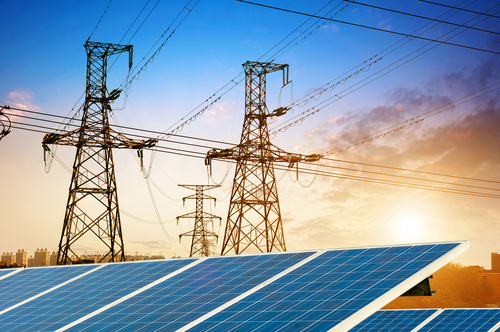
The current energy system, characterized by decentral renewable energy production and storage, where the strict distinction between producers and consumers is blurring and the fluctuating availability of energy sources becomes standard, imposes new challenges on grids and system operation.
Since renewables are gaining more ground, the necessity to restructure and digitalize the way electricity is distributed is growing, enabling its maximum utilization and efficient application.
Therefore, energy management solutions are on the upward trajectory. They span a portfolio of solutions that connect digital control with market participation: demand response (DR) programs and automation, virtual power plants (VPPs) and aggregator platforms to bundle distributed resources and flexibility procurement schemes that allow grid operators to contract local flexibility. It also includes energy management systems at the grid edge for households, buildings, and industrial sites, often paired with innovative retailer-driven tariffs and dynamic pricing. Complementing these are smart metering/ advanced metering infrastructure (AMI) and meter-data platforms, distributed energy resources integration and orchestration tools, EV smart charging (including fleet and depot charging and emerging Vehicle-to-Grid/ Vehicle-to-Everything use cases), and hybrid PV-plus-storage optimization. On the network side, advanced grid management and automation, digital twins, forecasting and AI-based analytics and cybersecurity and resilience solutions form the operational backbone for a more flexible, decentralized system.
Historically, these solutions evolved from separate roots rather than a single market. They started with industrial and grid control systems and building automation focused on reliability and comfort, then expanded in the 1990s and 2000s into dedicated metering, sub-metering, and energy monitoring software for efficiency management. With smart metering/ AMI rollouts and the rapid growth of distributed resources (PV, batteries, EV charging), energy management shifted from reporting to real-time optimization and remote control. Over the last decade, updated flexibility market arrangements further pushed the transition toward aggregation and automated participation via DR and VPP models.
Global market indicators suggest that energy management is scaling rapidly alongside grid digitalization and the rise of distributed energy resources. Polaris Market Research projects the global smart grid market to grow to 344.59 billion US dollars by 2034, implying a strong 16.7 percent compound annual growth rate (CAGR) from 2025 to 2034. This is a signal of broad investment in digital grid infrastructure, automation, and enabling platforms. Fortune Business Insights estimates the smart electricity meter market at 27.17 billion US dollars in 2025, rising to 48.04 billion US dollars by 2034 (6.28 percent CAGR), reflecting continued rollout and replacement cycles that expand the data backbone for tariff innovation and flexible operations. At the same time, higher-growth segments tied to flexibility monetization are accelerating: Mordor Intelligence forecasts the VPP market to increase from USD 5.01 billion US dollars in 2026 to 16.61 billion US dollars in 2031 (27.08 percent CAGR).